
We believe every foster family needs the kind of relational support most of us take for granted—people who show up, stay, and care. This is true for both parents and children.
So we build extended families around foster families—providing stability, enrichment, and meaningful connection for as long as they need, often for years. Each family is supported by a team of 6-10 trained volunteers who walk alongside them throughout their fostering journey.
The model is simple by design, but it is grounded in decades of experience and informed by medical and social research to ensure safety, sustainability, and real impact.
It fills a critical gap in foster care—offering the consistent, caring relationships that systems alone cannot provide, and that we know are essential for healing from trauma.
Why
This Approach Works
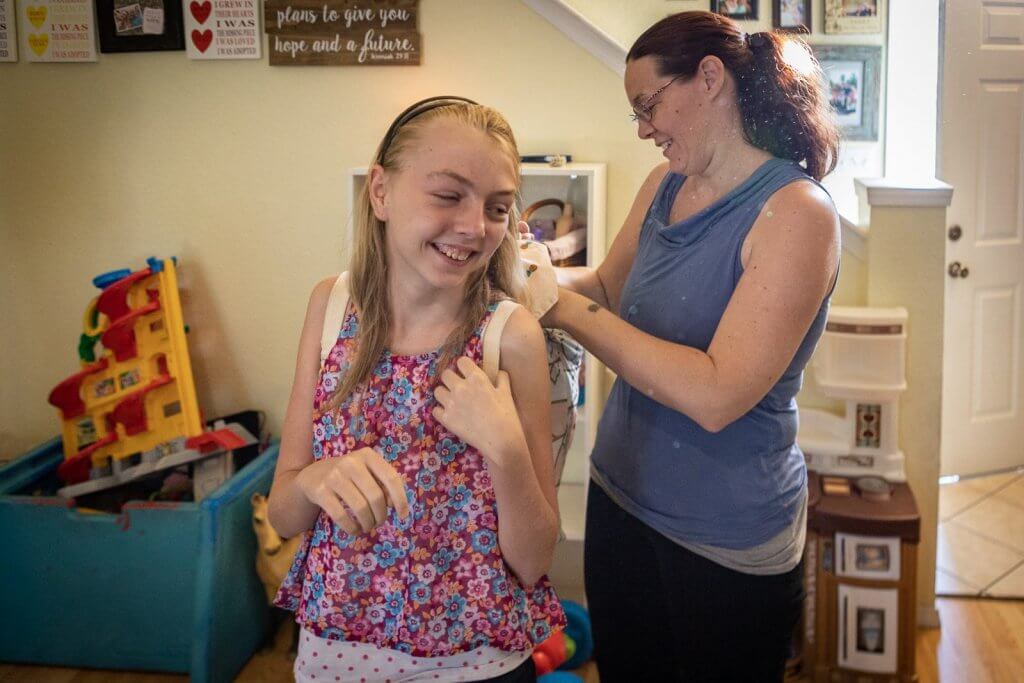
One of the biggest challenges in foster care is this: foster parents burn out at an alarming rate. And when that happens, placements disrupt—turning a temporary situation into something even more unstable and harmful for a child.
In our experience, foster parents consistently describe the same pressures: isolation, lack of support, and calendars that are simply unsustainable. They talk about:
- Not having time to read to their children
- Coping privately with grief or extreme behaviors
- The exhaustion of being in too many places at once
- The discouragement of not being able to provide opportunities like extracurriculars or academic support
- Not feeling seen—or having a safe place to process their emotions
All of this stands in contrast to what we know helps children heal: calm, stable environments and enduring relationships with people who show up again and again.
Volunteers—when supported by trained professionals—are uniquely positioned to meet this need. They bring time, consistency, and care, without agenda. And that combination can change everything for a family.
What it looks like
Every family is a work in progress. So we stay flexible—showing up in different ways as needs change over time. Volunteers know that foster parents are the experts, so they show up as non-judgmental friends, offering their greatest strength: presence.
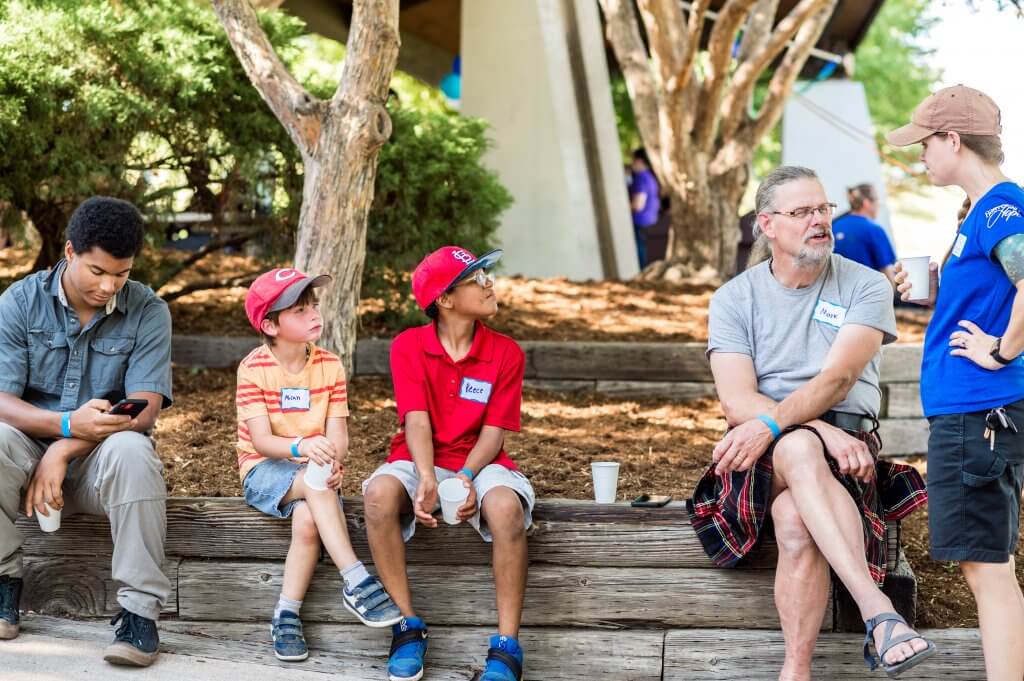
Sometimes the act of presence looks like an elderly volunteer rocking a baby who has learned not to cry.
Or a young couple taking kids to the park to play basketball after school.
Or a fellow mom sitting across from a foster mom at a coffee shop, listening as she tries to hold it all together.
Or a retired teacher helping with math homework at the kitchen table.
These needs would be too much for any one person to carry. But with a team approach, these small, consistent moments begin to add up.
In the end, it’s about restoring something many of these children have lost: a steady circle of people to love them, to be patient with them, and to walk with them through life.
And just as importantly, it allows foster parents—when supported—to become more present and attuned to their children’s needs.
The kinds of relationships most of us take for granted—but that make all the difference.