Demonstrated Outcomes

Our Impact

Why It Matters

The Path to Healing

Children heal in the context of their everyday lives. When foster parents are supported, they are better able to provide the home environment children who have experienced trauma need: stability, enrichment, and connections. Stability provides safety and consistency. Enriching experiences build mastery, confidence, and agency. Lasting relationships offer repeated experiences of being known, valued, and able to trust. Together, these conditions create opportunities for healing—and can change what a young person believes about themselves, others, and what is possible for their future.

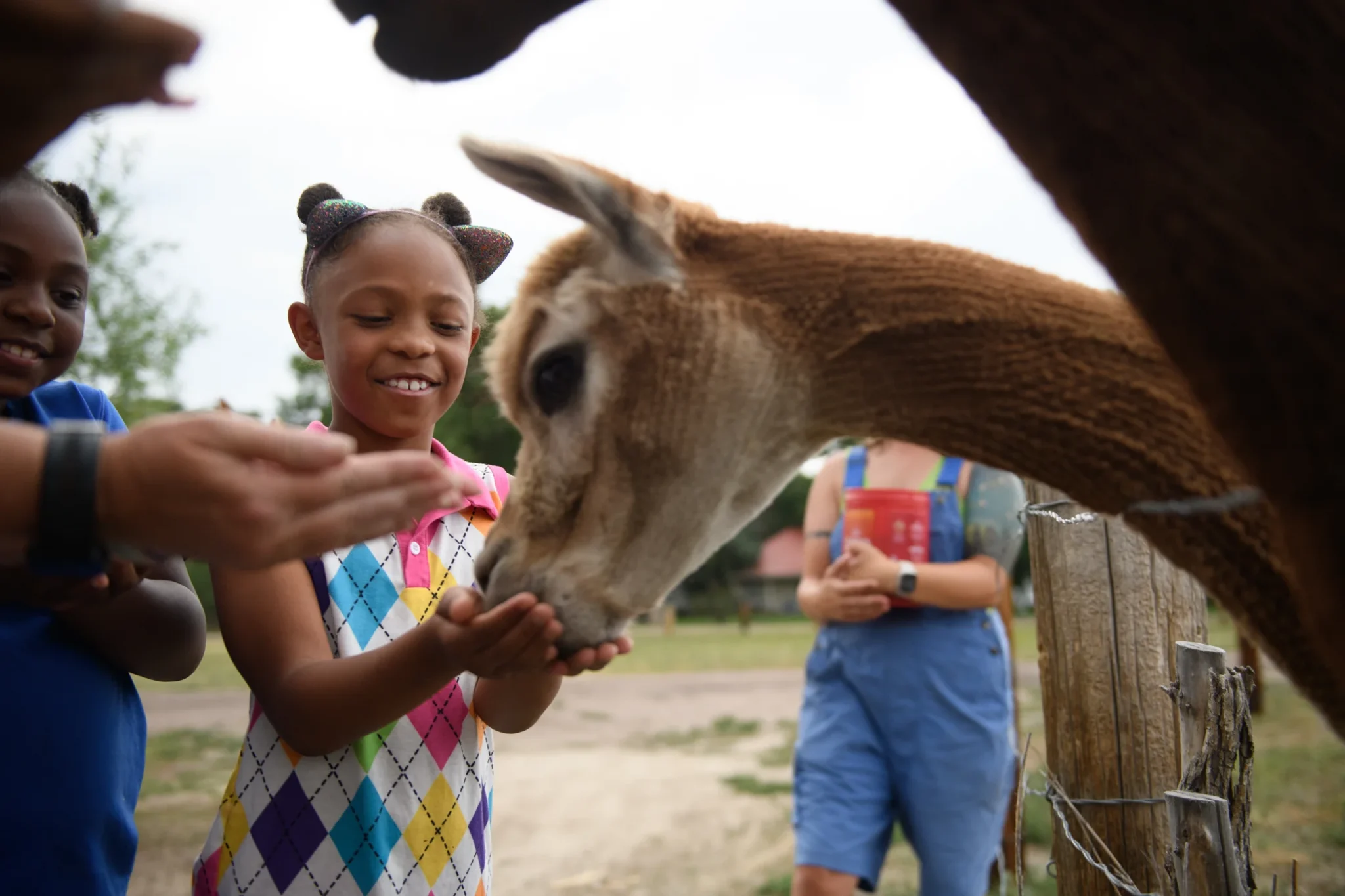
Child feeding an animal at a foster family support event.

By the Numbers The Difference We See

Our Disruption rate due
100 %
Compared to National Disruption
100 %
Children who graduate or get a GED by 21
0 %
Foster parents who say they would have quit without support
0 %
Former foster youth from Fostering Hope stably housed by 21
0 %
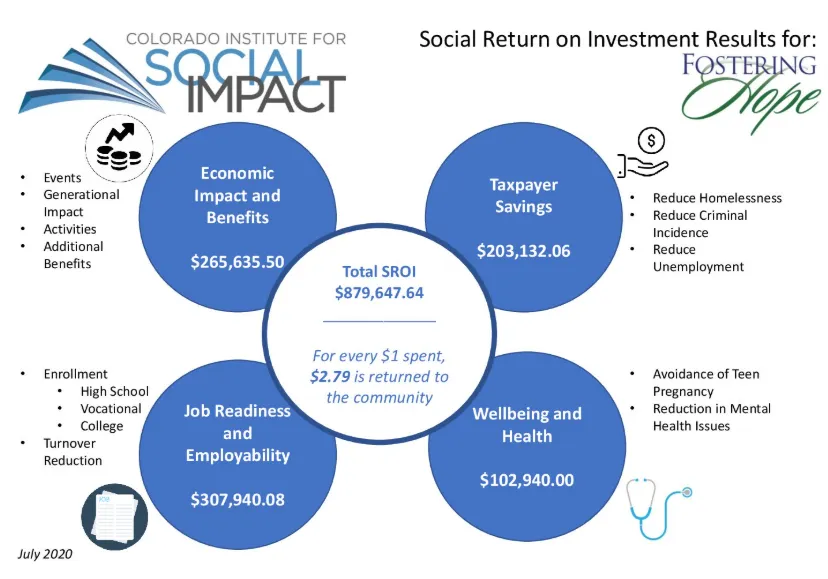
Social return on investment for every $1 spent
$ 0

How our model works

We Build Extended Families Around Foster Parents

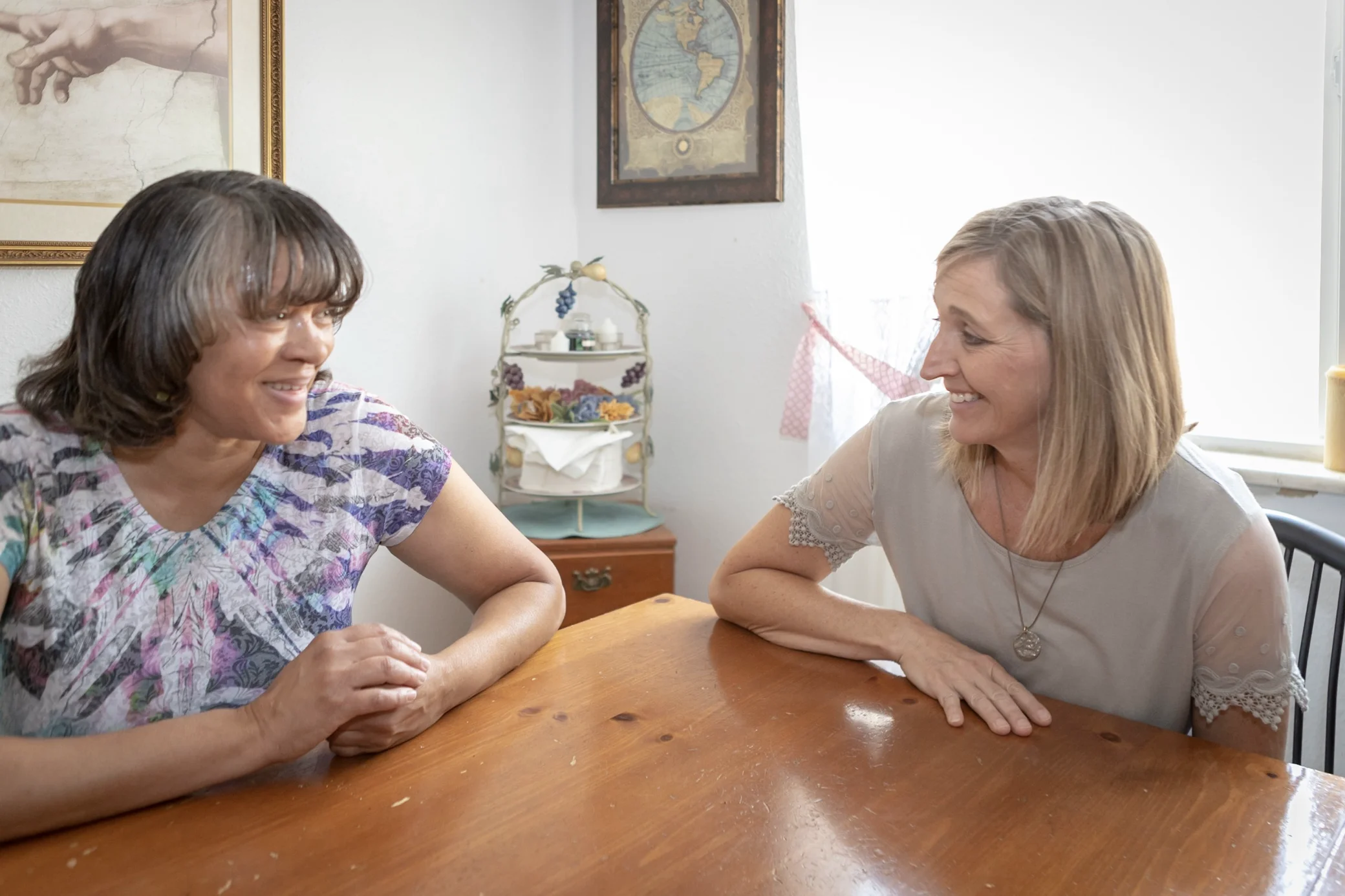
Each foster family is surrounded by a dedicated team of 6–10 trained volunteers who walk alongside them for as long as they need—often for years. This team-based approach ensures that support is sustainable for the volunteers and life-changing for the family.

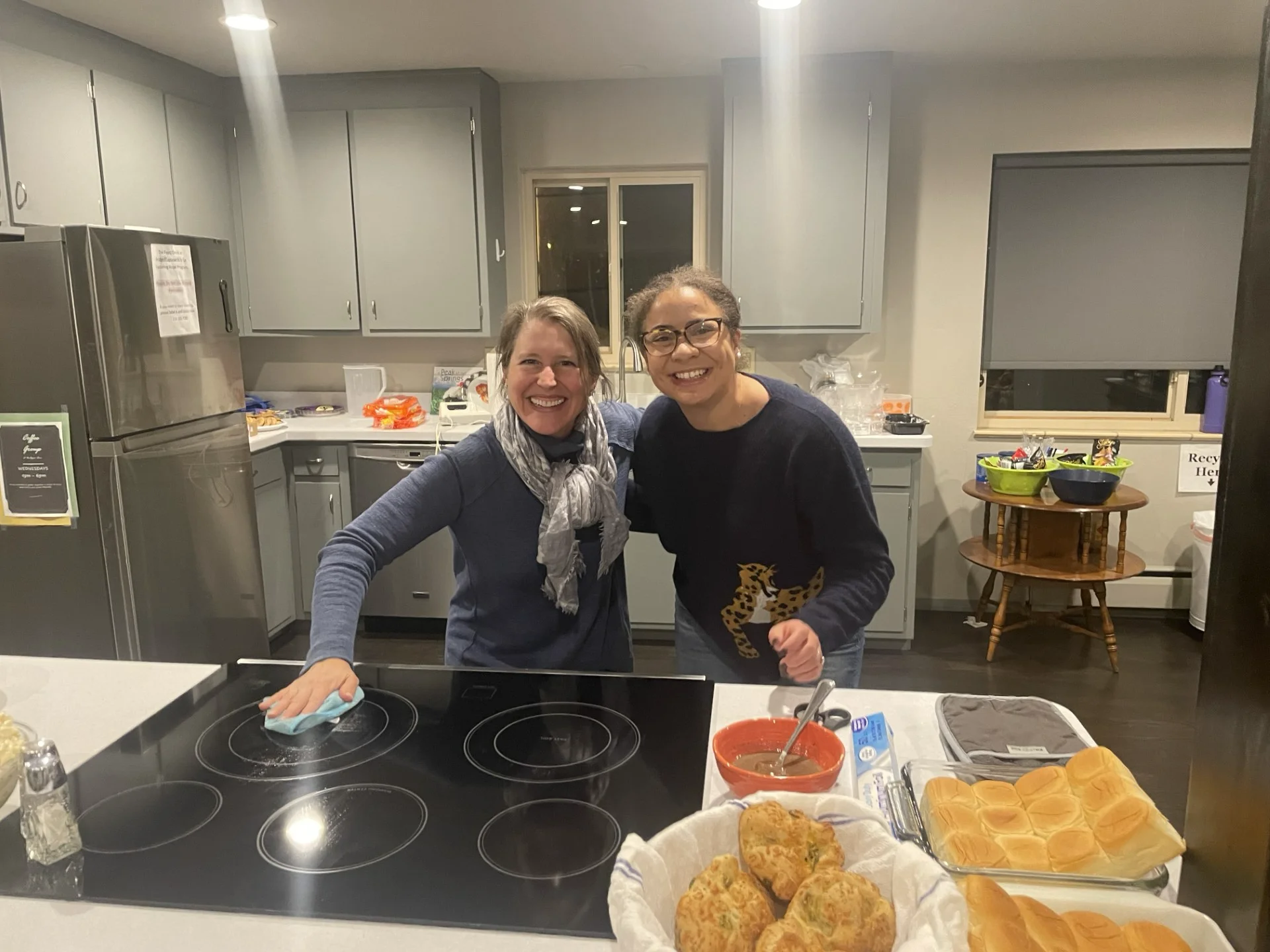
Reliable Presence - Showing Up for the Long HaulWe understand that stability is built over time. Our volunteers provide a consistent, reliable presence that foster parents can depend on, ensuring no family has to face the highs and lows of the journey alone.
Reliable Presence

Showing Up for the Long Haul

We understand that stability is built over time. Our volunteers provide a consistent, reliable presence that foster parents can depend on, ensuring no family has to face the highs and lows of the journey alone.

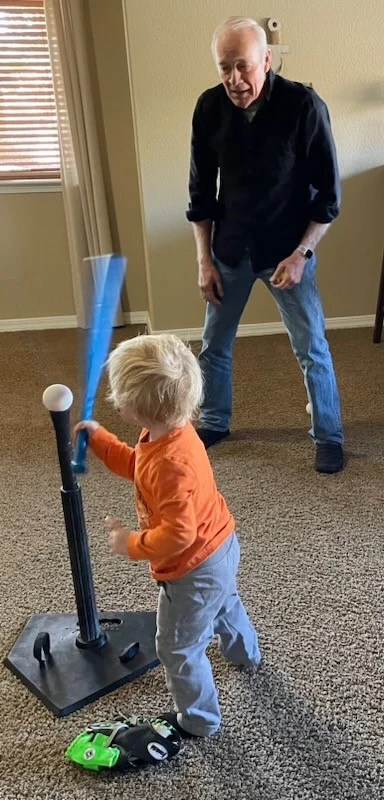
Practical Support - Lightening the Load of Daily LifeWhether itˇs a retired teacher helping with math homework or a volunteer offering an extra set of hands during a busy week, we provide the tangible, practical help that makes a house feel like a home.
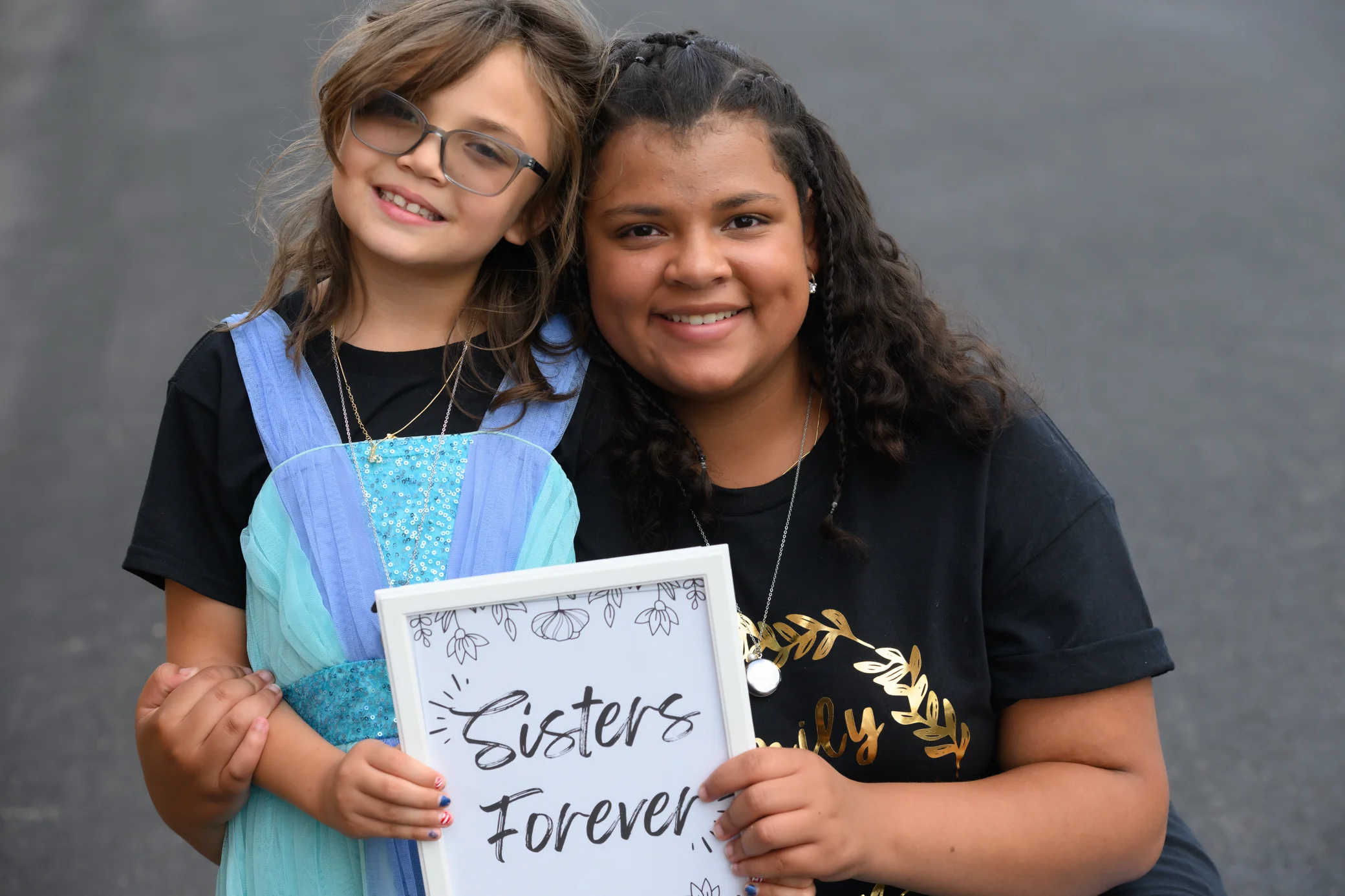
Practical Support

Lightening the Load of Daily Life

Whether itˇs a retired teacher helping with math homework or a volunteer offering an extra set of hands during a busy week, we provide the tangible, practical help that makes a house feel like a home.

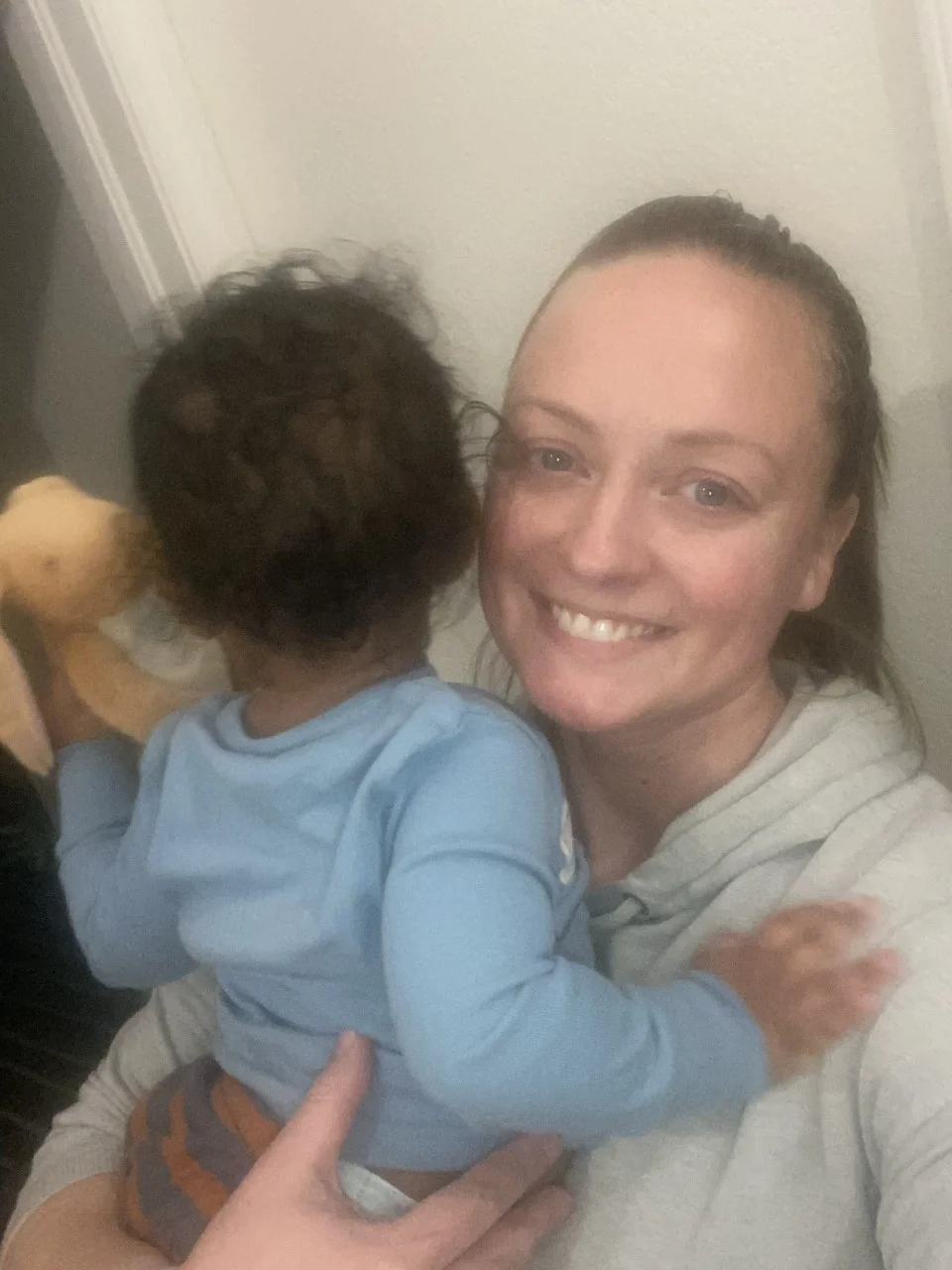
Relational Support - A Lifetime of BelongingOur model is about building deep, lasting connections that extend for years. By surrounding families with a village of support, we create the safety and belonging children need to become stronger together.
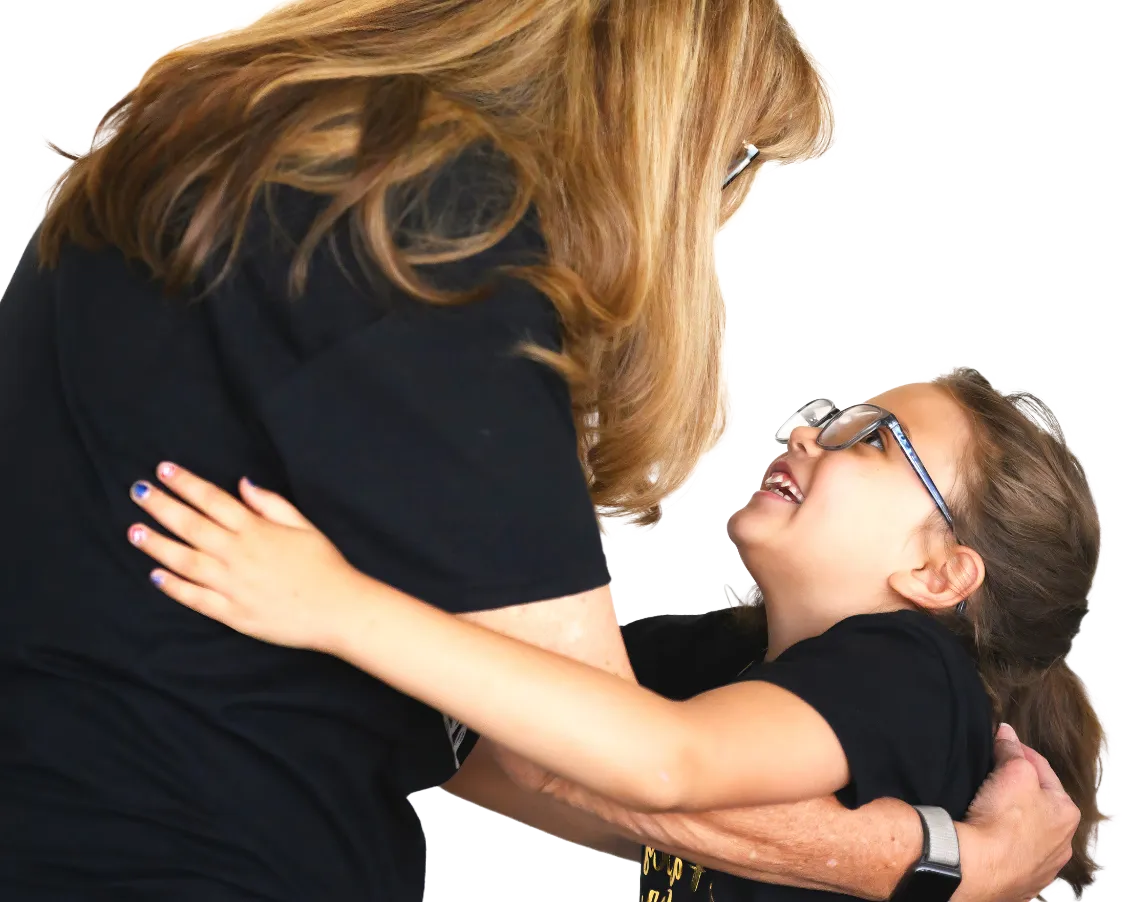
Relational Support

A Lifetime of Belonging

Our model is about building deep, lasting connections that extend for years. By surrounding families with a village of support, we create the safety and belonging children need to become stronger together.

Our Outcomes

Change that endures

We believe lasting change is built in the ordinary moments of everyday life. When foster parents are surrounded with practical support, they have greater capacity to create the stable, nurturing home children need—not just for a successful placement, but for healing. Rides to practice, help with homework, shared meals, encouragement, celebrations, and adults who keep showing up become repeated experiences of safety, belonging, mastery, and worth. Over time, those experiences can help heal what trauma has disrupted: a young person’s ability to trust, connect, believe in themselves, and imagine a future they have the power to shape.

Our Research

How we know

Program Evaluation Report
Comprehensive data analysis evaluating program outcomes, placement stability, and long-term caregiver retention.
Impact & Research
PDF
Social Return on Investment
A visual breakdown demonstrating social and financial returns created through relational foster support.
Impact & Research
PDF

Let’s start a conversation

Whether you have a question about our work, are ready to take the next step in becoming a partner, or simply want to stay updated on our progress, we’d love to hear from you.

What’s new at fostering hope usa

Our Latest News

Stay connected with the Fostering Hope community and learn how relational support is making a tangible difference in the lives of foster families across the country.

Our Impact

Frequently asked questions

We track outcomes across the continuum of care—from foster parent sustainability and placement stability to education, housing, employment, and relationships in young adulthood. We use program data, participant feedback, external benchmarks, and independent evaluation to understand both immediate and long-term impact.

Yes. The Butler Institute for Families at the University of Denver conducted an independent mixed-methods evaluation examining our model, program data, and the experiences of foster parents, young people, volunteers, and staff. The evaluation affirmed key elements of our program model while identifying opportunities to strengthen longitudinal measurement and comparison data. A more comprehensive evaluation is planned as our evidence base grows.

Our data show strong outcomes among participating families and young people, but we are careful not to claim causation where it has not been established. Our independent evaluation found promising results while recommending stronger comparison data and longitudinal measurement—work we are continuing to build.

We look beyond whether a placement simply stays intact. We want children to experience the stability, enrichment, and connections that support healing and development—and ultimately to enter adulthood with education, safe housing, meaningful relationships, employment, and the agency to build healthy, independent lives.

National growth is being designed around fidelity, not simply expansion. Affiliates will implement shared program standards, training, data systems, and outcome measures, with ongoing coaching and accountability from Fostering Hope USA. This allows us to evaluate whether the model—and its outcomes—can be replicated across communities.

Don’t see your question here? Get in touch with our team →