Where Foster Families Find Family
About Fostering Hope
Fostering Hope strengthens the foster families caring for some of the children who are hardest to place—teens, sibling groups, and children with significant trauma or complex medical needs. When these families burn out, the impact reaches far beyond one home: children lose stability, and the child welfare system loses foster parents it desperately needs.
Our answer is enduring community. For 20 years, Fostering Hope has surrounded foster families with teams of trained volunteers who become something like extended family—bringing meals, giving rides, helping with homework, offering respite, and staying through the hard seasons.
And that staying power changes outcomes. Families keep fostering. Placements are more stable. Young people are graduating, working, and avoiding homelessness at rates that show a different future is possible.
What began in Colorado Springs is now a proven, replicable model with the experience, outcomes, and staying power to strengthen foster care in communities across America.
Our mission
To provide an enduring community of support for foster families, restoring the stability and belonging every child needs to thrive. We exist so that foster parents can be at their best, children who have experienced the trauma of abuse and neglect can heal, and young adults can become the productive citizens they were meant to be.
Our vision
To change foster care in America.
Our core values
We strive to maintain a mission-centered culture that respects the inherent dignity of every individual through these guiding principles.
Whole-Family Support
We work with foster families — not just kids, not just foster parents — but family units.
Bottom-Up Design
We believe those we serve know best and seek solutions designed and driven by foster parents and former foster youth.
Team-Based Service
We operate as a collective, not as individuals, in a spirit of mutual respect and integrity.
Continuous Learning
We are committed to innovation, a culture of curiosity, and data-driven insights and decisions.
Goal-Oriented
We believe thoughtful planning and earnest effort toward clear goals enables us to do the best work on behalf of those we serve and prevent mission drift.
Positive Partnership
We work alongside the child welfare system and faith communities to create lasting change, always with mutual respect.
Optimism
We believe in the capacity of the human brain, the resilience of the human spirit, and the healing power of caring relationships to create better long-term outcomes for children in foster care no matter what they’ve been through.
Serving Foster Families Who Need it Most
The future of foster care is rightly moving toward keeping children safely with their families whenever possible and increasing the use of kinship care. But there will always be children who cannot safely remain at home—and some will have needs that make finding and sustaining the right foster home especially difficult.
Teens. Sibling groups. Children with significant trauma or complex medical needs.
The foster parents who open their homes to these children provide something our child welfare system cannot function without. Yet too often, they are asked to carry an extraordinary load with too little support.
When these parents burn out and stop fostering, the consequences ripple outward: a family loses its capacity to serve, the system loses an experienced foster home, and a child may lose yet another relationship and place of belonging.
- Unsustainable schedules: Chaotic calendars full of therapy appointments, school obligations, court-ordered visits, and everyday parenting leave little room for the quiet moments that help a family connect.
- Private grief: Coping with extreme behaviors or emotional loss without a place to turn to share.
- Missed opportunities: The inability to provide enrichment like extracurriculars or academic help.
Fostering Hope exists to make that weight lighter.
about our work
A Proven Approach for Better Foster Care Outcomes
Grounded in research and fueled by relationship, we fill the critical gap in the child welfare system.
Strengthening Families: We provide the support foster families need and ask for so that parents don’t give up, children don’t move around, and healing can happen
Building a Healing Home Environment: Families need more than help with tasks. Our volunteers provide relational support and affirmation that makes foster parents feel seen and helps children see their worth and value.
Proven Results: Our work is grounded in research and principles of Trauma-Informed Care and internally evaluated for its effectiveness, ensuring that our activities contribute to true impact
The Fostering Hope model
Providing the Presence That Changes Everything
Professional services are essential. But children and families also need something no case plan, appointment, or system can manufacture: people who keep showing up no matter what.
Fostering Hope surrounds each foster family with a team of trained volunteers who become the aunts, uncles, grandparents, neighbors, and friends many families wish they had nearby.
They bring dinner. Drive to practice. Help with homework. Give a tired parent a break. Celebrate birthdays. Sit in the bleachers. Listen when things are hard.
And they stay.
Most Fostering Hope teams serve for years, allowing trust to grow through ordinary moments and difficult seasons alike. The family leads; our professional staff facilitate the team, maintain appropriate boundaries, and help ensure that support remains safe, consistent, and responsive.
It is trauma-informed care in everyday settings that doesn’t feel like another program. It feels like community.
- Listen to powerful testimonies from foster parents, volunteers, and former foster youth
Our History
Two Decades of Strengthening Families
Identifying the Gap
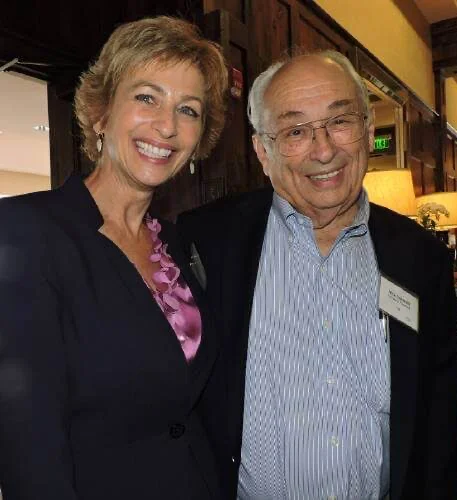
While working with children who had experienced abuse and neglect, pediatrician Dr. Angela Colarelli Carron saw a clear pattern: children heal through stable, caring relationships.
But she saw a problem, too.
The foster parents working to provide that stability were often doing it in isolation. The professional child welfare system could provide essential services, but it could not be the extended family these parents and children needed around the dinner table, on the sidelines, or during an exhausting Tuesday evening.
There was a gap between professional services and everyday life.
She partnered with her father, Dr. Nick Colarelli, a clinical psychologist, to co-found Fostering Hope as a way to fill this gap.
Refining the Model
After two years of research, including in-depth interviews with foster families, former foster youth, and caseworkers, the Fostering Hope model emerged. By recruiting small volunteer teams from local faith communities to share the responsibility of care, the results were remarkable.
Relationships deepened. Foster parents had people to call. Children experienced adults who continued showing up. And over time, Fostering Hope began measuring what those relationships made possible—stronger foster-family retention, greater placement stability, and better long-term outcomes for young people.
Twenty years later, the original insight remains at the heart of our work: the people caring for children who have experienced trauma need people caring for them, too.
Let’s start a conversation
Whether you have a question about our work, are ready to take the next step in becoming a partner, or simply want to stay updated on our progress, we’d love to hear from you.
Why Fostering Hope
Frequently asked questions
What support is available for foster parents?
While foster parents typically receive training, financial reimbursement, and professional support through their licensing or child welfare agency, what many families also need is something those systems aren’t designed to provide: an enduring community around the family. Someone to talk to when it is hard, and people who can lighten the load.
Fostering Hope fills that gap by surrounding foster families—especially those caring for children with significant needs—with teams of trained volunteers who provide practical and relational support over time. Unlike models that simply mobilize volunteers, every Fostering Hope team is professionally facilitated by a Coordinator, typically trained in social work, who helps the team respond to changing family needs, maintain healthy boundaries, and sustain relationships for the long haul.
How is Fostering Hope different from other foster care organizations?
There is growing recognition that foster families need community around them, and many organizations are doing important work to mobilize volunteers to help.
Fostering Hope goes a step further: we don’t just mobilize support—we professionally facilitate it.
Every volunteer team is guided over time by a Fostering Hope Coordinator, typically trained in social work. Coordinators build relationships with the foster parents, help volunteers understand how to serve without judgment or agenda, navigate challenges and changing family dynamics, maintain healthy boundaries, serve as a liaison with child welfare partners, and continually adapts the team’s support as a family’s needs change.
That distinction matters because we often serve foster families caring for children with some of the most complex needs in the system.
For 20 years, Fostering Hope has paired professionally facilitated teams with a commitment to measuring what happens as a result—from foster parent retention and placement stability to long-term outcomes for young people.
Does Fostering Hope serve kinship families?
Although Fostering Hope’s model was developed specifically around the needs of foster families, particularly those caring for children with significant needs, we recognize the growing number of kinship families in need of this support. We are experimenting with how our model could support kinship families while preserving the elements that have made it effective.
Does Fostering Hope support children and youth who age out or emancipate from foster care?
Yes. Since 2016 Fostering Hope has extended its model of providing “aunts, uncles, and grandparents” to supporting the needs of youth aging out of our foster homes. Volunteers provide healthy friendships, practical support with jobs and life, and a safe place for youth to think through their goals and plans. Because working with young adults comes with some unique and complex needs, this initiative is currently only offered at Fostering Hope’s original affiliate location in Colorado Springs. Our intention is to offer this part of our program to other interested communities once they are ready.
Is Fostering Hope a child placement agency and does it license foster families?
No. Fostering Hope was designed to provide community support that complements the child welfare system, child placement agencies, and other professional partners, rather than compete with them. Agencies refer families to us for our services – at no charge to the family or the agency.
Don’t see your question here? Get in touch with our team →